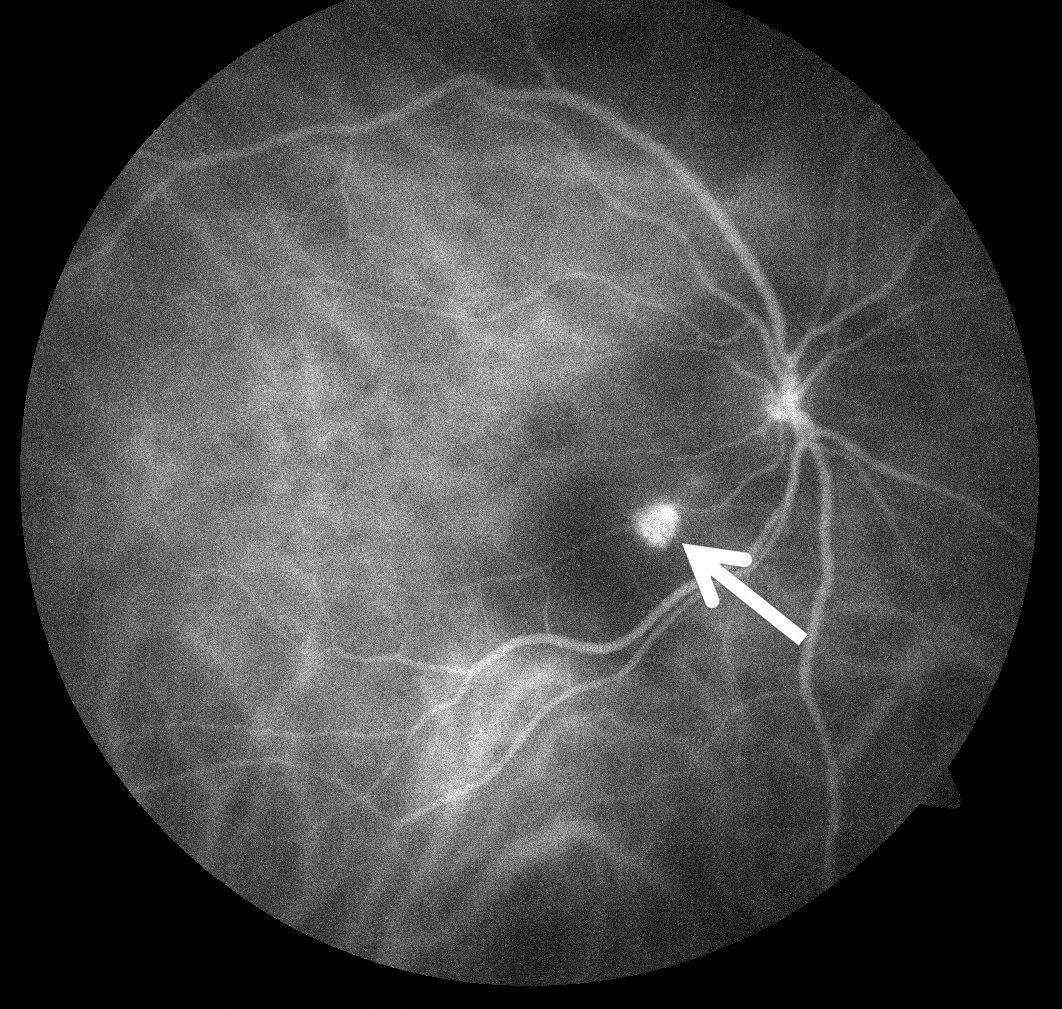
PEVAC PEVAC - PEVAC is a rare, unilateral, typically unifocal, perifoveal aneurysmal lesion first described in 2011 by Querques et al., characterized by a single, massive aneurysm with intraretinal cystic…
Papillophlebitis Papillophlebitis - Definition and Epidemiology: - Papillophlebitis is a rare condition resembling central retinal vein occlusion (CRVO) in young, healthy adults (mean age ~25 years). - Characterized by optic…
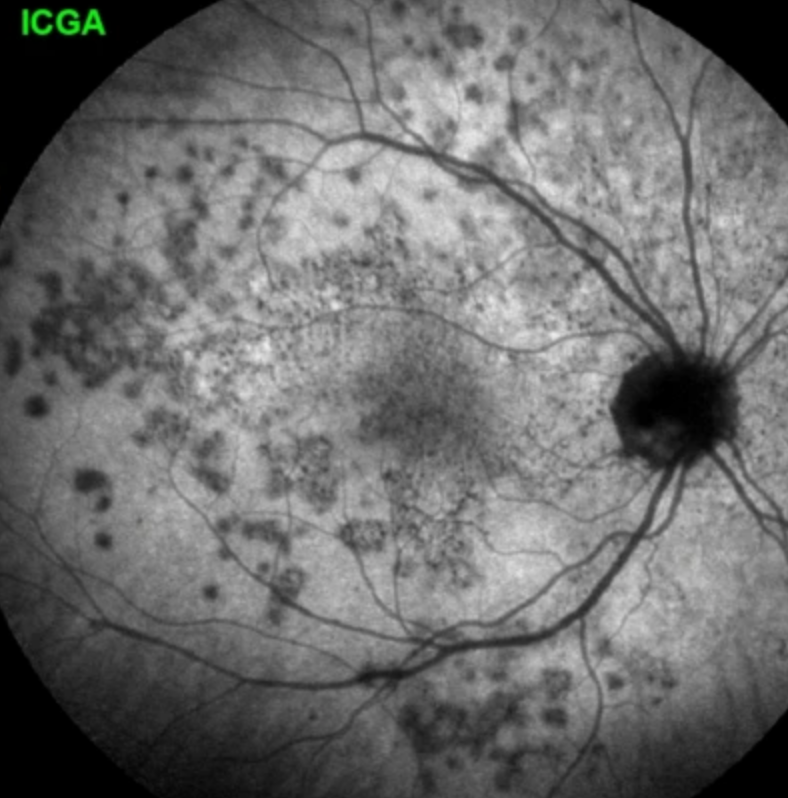
Choroidal Vasculitis and Indocyanine Green Angiography (ICGA) Choroidal Vasculitis and Indocyanine Green Angiography (ICGA) - Definition and Importance of Choroidal Vasculitis: - Choroidal vasculitis is a hallmark of choroidal inflammation,…
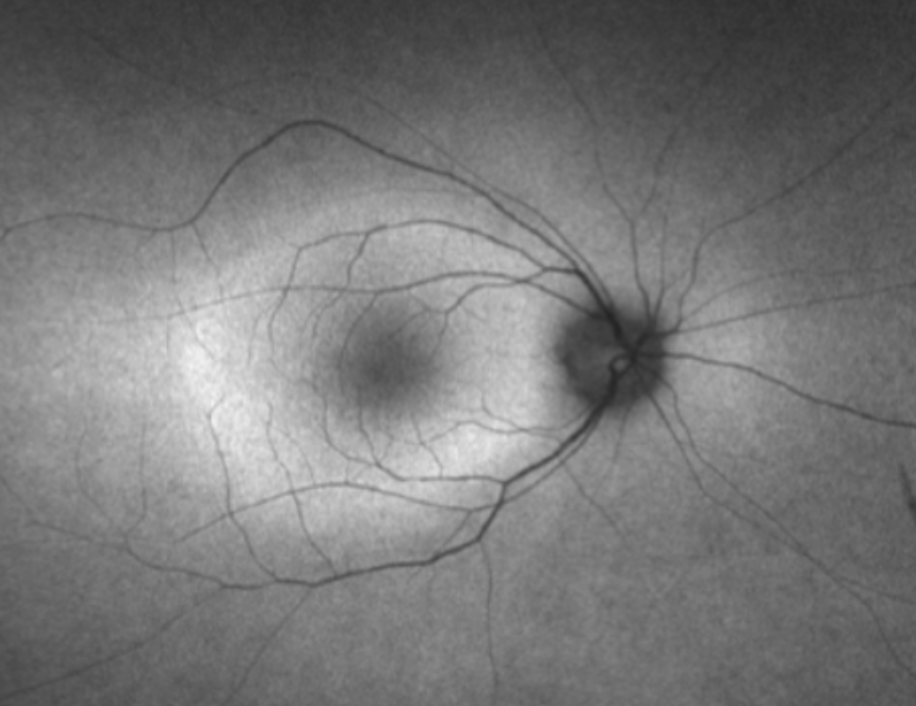
Guidelines for the Diagnosis, Management, and Study of Autoimmune Retinopathy (AIR) Guidelines for the Diagnosis, Management, and Study of Autoimmune Retinopathy (AIR) - AIR definition: Rare retinal degeneration mediated…
Clinical Outcomes in nAMD with Aflibercept 8 mg in the Phase 2 CANDELA Study Clinical Outcomes in nAMD with Aflibercept 8 mg in the Phase 2 CANDELA Study - Study…
Aflibercept With vs Without Reduced-Fluence Photodynamic Therapy for Polypoidal Choroidal Vasculopathy Aflibercept With vs Without Reduced-Fluence Photodynamic Therapy for Polypoidal Choroidal Vasculopathy - Study Overview: - Double-masked, sham-controlled, randomized clinical…
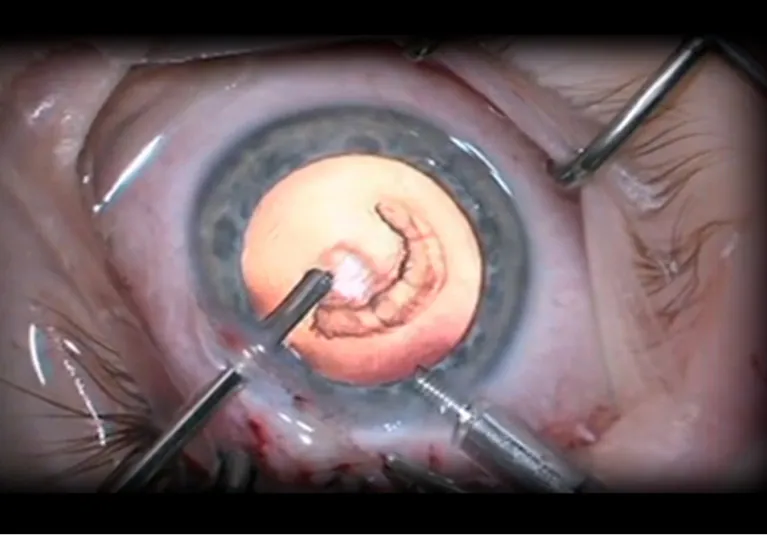
Factors Associated with Retinal Detachment Following Pediatric Cataract Surgery in the IRIS® Registry Factors Associated with Retinal Detachment Following Pediatric Cataract Surgery in the IRIS® Registry - Study Overview: -…
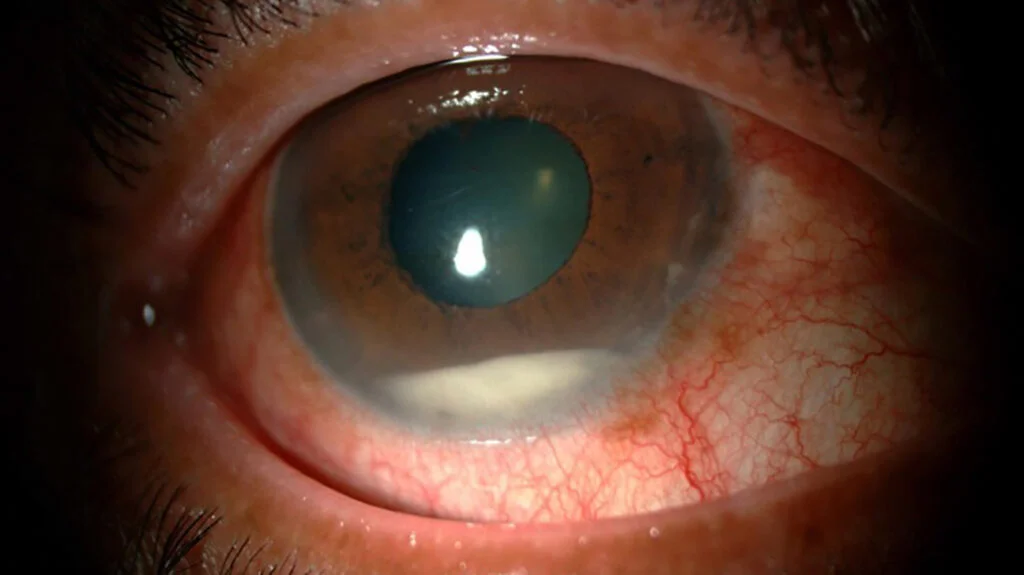
Pre-Operative Glycemic Control and Acute Endophthalmitis after Cataract Surgery Pre-Operative Glycemic Control and Acute Endophthalmitis after Cataract Surgery - Study Overview: - Retrospective case-control study evaluating whether pre-operative hemoglobin A1c…
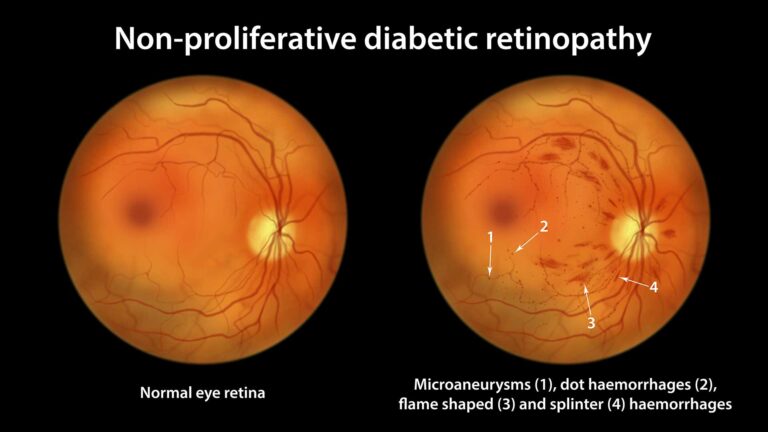
Risk of Progression of Non-Proliferative to Proliferative Diabetic Retinopathy Following Cataract Surgery Risk of Progression of Non-Proliferative to Proliferative Diabetic Retinopathy Following Cataract Surgery - Study Overview: - Retrospective analysis…
Did you know your eye injection drugs need to stay cold? A new study found 100% of patients let their anti-VEGF medicine get too warm at home—some for over 48 hours! No eye problems happened this time, but it’s a big hint to keep that fridge handy.
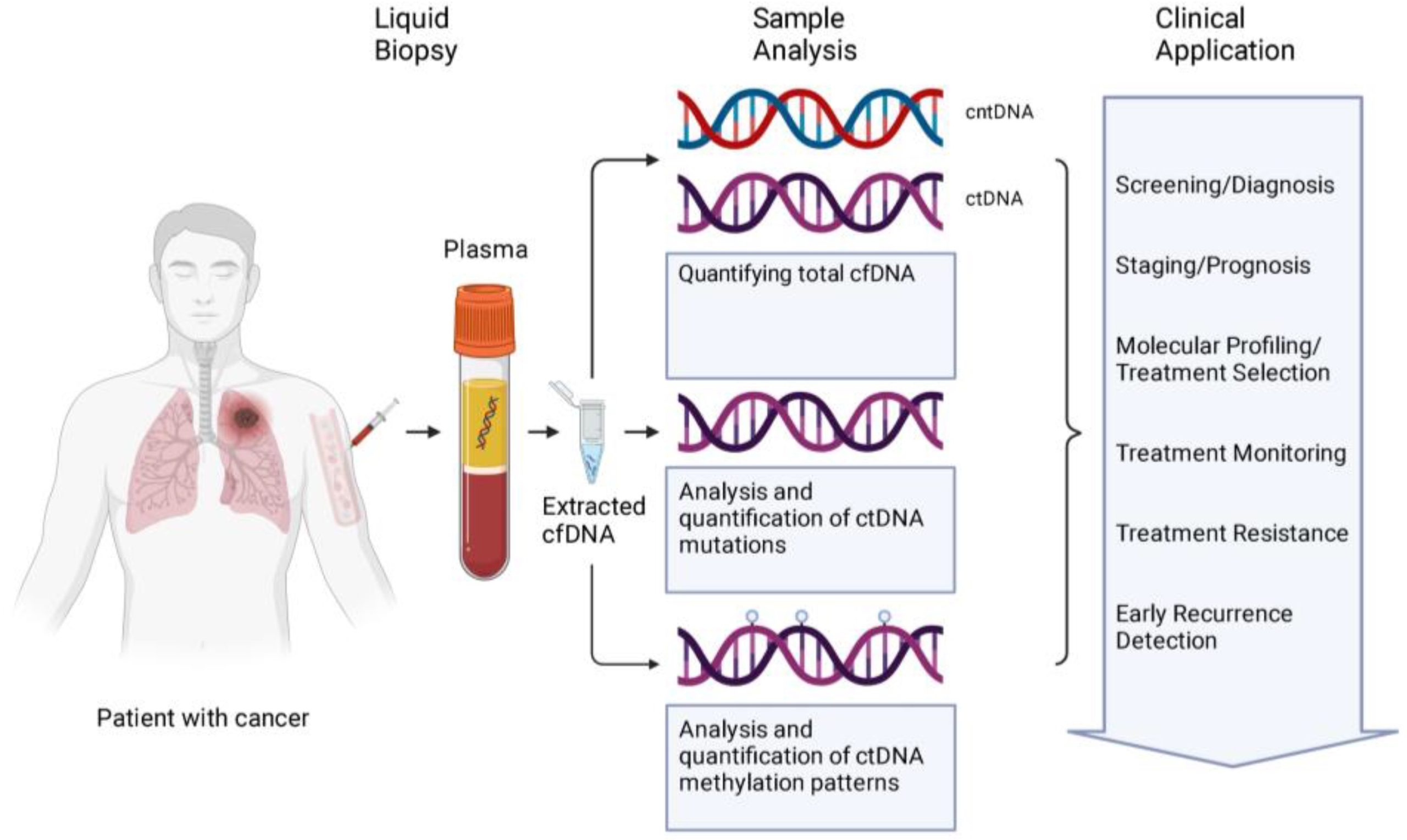
A simple blood test—plasma ctDNA—cracked the case of mysterious choroidal metastases, revealing lung cancer and guiding swift treatment. Could this be the future of ocular oncology?
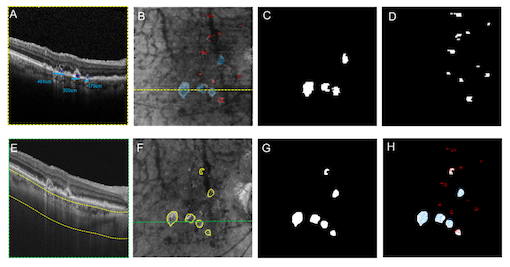
A new study in the American Journal of Ophthalmology pits OCT B-scans against en face imaging to spot early macular atrophy in AMD. The verdict? En face imaging catches what B-scans miss, offering a faster, sharper way to track progression. Dive into the details of this retina research breakthrough!
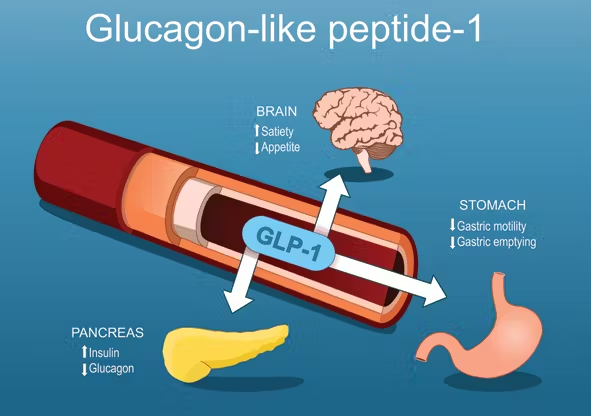
A recent study suggested a link between glucagon-like peptide 1 (GLP-1) receptor agonists and a slight decrease in intraocular pressure (IOP). However, a new analysis points out potential oversights in the research methodology that may affect the reliability of these findings. Key concerns include the absence of propensity score matching, inadequate consideration of metformin co-usage, and failure to account for known glaucoma risk factors like corticosteroid use. These factors could lead to inaccurate conclusions about the true impact of GLP-1 receptor agonists on IOP.
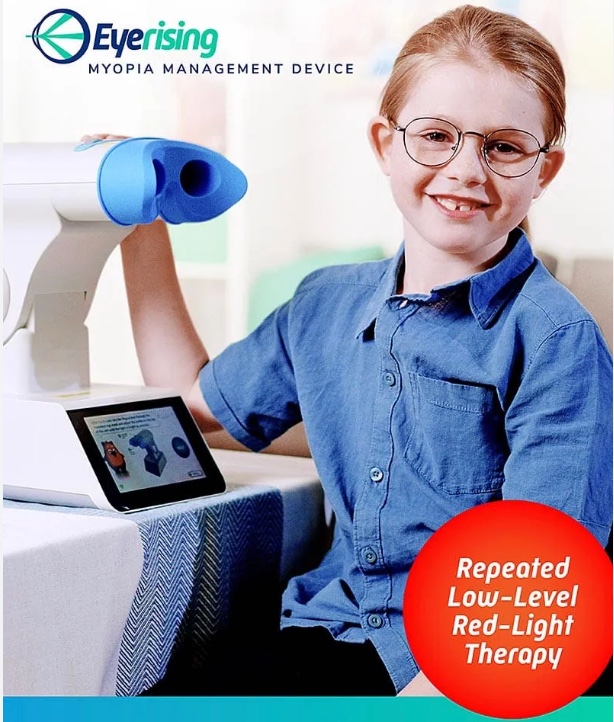
In this 12-month, multicenter randomized controlled trial, children with high myopia received either repeated low-level red-light (RLRL) therapy with single vision spectacles or single vision spectacles alone. The RLRL group demonstrated significant axial length shortening, a reduction in myopic progression, and increases in choroidal and retinal thickness, indicating that RLRL therapy is a safe and effective method for inhibiting myopia progression in children with high myopia.